Announcements
Announcements
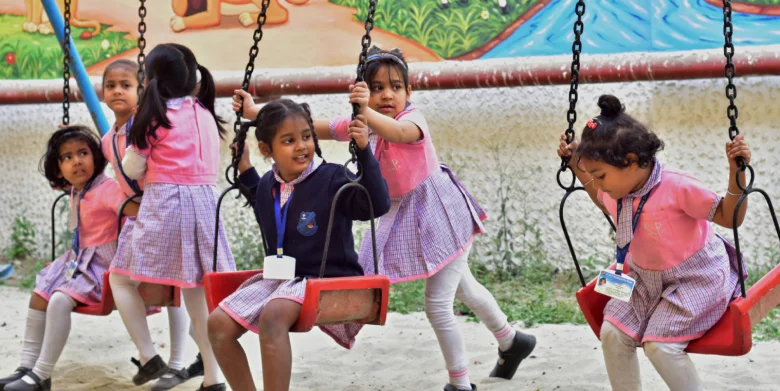
Emotional intelligence in children, the ability to understand, manage and express emotions effectively, has become a vital life skill today. Schools play a transformational role in shaping not just intellectual capabilities but also emotional and social competence.
At St Paul's Day and Boarding School for Girls, the focus goes beyond textbooks to ensure holistic education that encourages emotional growth, resilience and confidence.
Emotional intelligence (EI) refers to a child's ability to recognize their own emotions, empathize with others and effectively handle interpersonal relationships. It includes key components such as self- awareness, self-regulation, empathy, motivation and social skills.
This is the reason why importance of emotional intelligence in school education has gained significant attention in recent times.
Schools serve as the primary environment where children interact, collaborate and grow. The role of schools in building emotional intelligence in children is crucial because they provide structured opportunities for social emotional learning (SEL).
A nurturing school environment encourages students to express themselves freely. At St Paul's Day and Boarding School for Girls, emphasis is placed on creating a safe, inclusive and respectful atmosphere. Such an environment promotes emotional security, helping students develop confidence and self-worth.
Social emotional learning (SEL) in schools is a structured approach to teaching emotional skills. Through classroom discussions, storytelling and interactive sessions, students learn to identify and manage emotions effectively.
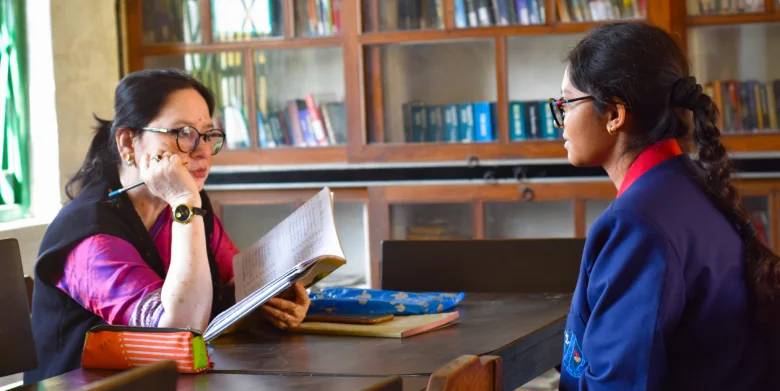
Teachers play a pivotal role in encouraging emotional intelligence. They help students articulate their feelings and concerns. This practice strengthens emotional regulation in students and builds trust between them and the teachers.
Interactive activities such as group projects, role-playing and collaborative assignments help students to learn teamwork, empathy and conflict resolution. These activities are essential strategies to teach emotional intelligence in classrooms.
Life skills education is an integral part of holistic education. Schools that prioritize life skills equip students with the ability to handle real-life challenges with confidence and emotional balance.
Empathy development in children is encouraged through community service, peer support programmes and value-based education. Students learn to understand different perspectives and show compassion towards others.
Activities like journaling, mindfulness sessions and self-assessment help students become more self-aware. This awareness is the foundation of strong emotional intelligence.
The benefits of social emotional learning in schools extend far beyond the classroom. Students with high emotional intelligence tend to exhibit better leadership skills, handle peer pressure effectively, maintain positive relationships , show improved academic performance and develop resilience in challenging situations.
By focusing on emotional intelligence programmes in schools for students, institutions like St Paul's Day and Boarding School for Girls prepare learners for both personal and professional success.
Teachers are instrumental in shaping a child's emotional development. Their approach to teaching, communication and discipline significantly impacts a student's emotional growth.
Teachers act as mentors and guides, they model positive behaviour and empathy, provide constructive feedback and support collaborative learning
This supportive approach ensures that students feel valued and understood, so essential for their emotional development.
Holistic education focuses on the overall development of a child, intellectual, emotional, social and physical. Schools that embrace this approach understand that emotional intelligence is as important as academic achievement.
St Paul's Day and Boarding School for Girls stands out among the best schools for emotional development in Kolkata by offering a balanced curriculum integrating academics and life skills, extracurricular activities that promote teamwork and creativity, a nurturing boarding environment that builds independence through programmes designed to enhance communication and interpersonal skills
This comprehensive approach ensures that students are not only academically proficient but also emotionally resilient and socially responsible.
In a competitive and dynamic world, emotional intelligence is a key differentiator. Employers and institutions increasingly value individuals who can collaborate, adapt and lead with empathy.
Schools that focus on shaping personality and emotional growth, help students to become confident decision-makers, build meaningful relationships, face challenges with resilience and lead with empathy and integrity
The role of schools in building emotional intelligence in children is indispensable. As education evolves, the emphasis on emotional and social development continues to grow. Schools like St Paul's Day and Boarding School for Girls are at the forefront of this transformation, ensuring that students receive a well-rounded education that prepares them for life beyond academics.
By integrating social emotional learning, encouraging a positive environment, and prioritizing holistic development, the school is shaping future-ready students who are not only intelligent but also emotionally strong and compassionate.
3rd April, 2026
23rd February, 2026
16th February, 2026
9th February, 2026
6th February, 2026